


US-Iran Conflict Intensifies After Aircraft Downing
Tehran/Washington, April 4, 2026 — Tensions between the United States and Iran have escalated dramatically after Iranian forces reportedly shot down two US military aircraft during ongoing hostilities, marking a significant turning point in the conflict.
According to international defense reports, the incident occurred amid heightened military activity in the region. US officials confirmed that while one service member has been rescued safely, another remains missing, prompting urgent search-and-rescue operations.
The development signals a major escalation in the US-Iran conflict, now entering a more dangerous phase with direct losses of American military assets.
What Happened to the US Aircraft
Initial reports indicate that two American aircraft were targeted by Iranian air defense systems during operations in or near Iranian-controlled airspace.
The aircraft involved were:
- A fighter jet, which was brought down during an active mission
- A ground-attack aircraft, which crashed after sustaining heavy damage
While one pilot successfully ejected and was later rescued by US forces, another crew member has yet to be located. Military officials have not released full details, citing operational security.
Iranian state media claimed its defense systems successfully intercepted the aircraft, calling it a “defensive response” to US military actions in the region.
Search Operation Underway for Missing Crew Member
US forces have launched a high-risk search-and-rescue mission to locate the missing service member. Reports suggest that rescue teams are operating under challenging conditions, including hostile territory and active threats.
There are also indications that rescue helicopters encountered resistance during the mission, though officials have not confirmed the extent of damage or casualties.
The situation remains fluid, with both US and Iranian forces reportedly monitoring the area closely.
Political Reaction in the United States
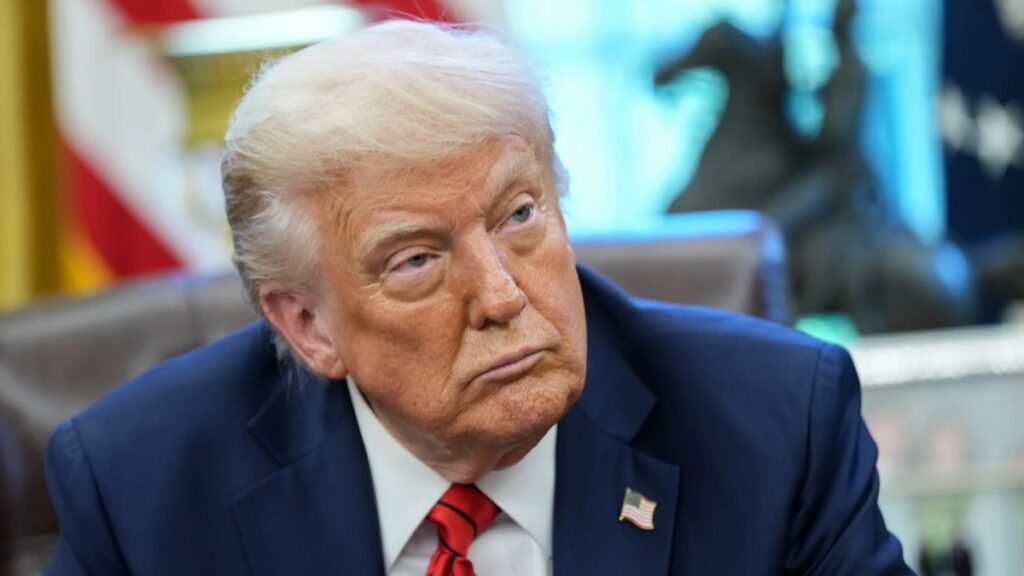
The downing of the aircraft has triggered strong reactions from US political leaders. Former President Donald Trump described the situation as a clear act of war, underscoring the seriousness of the escalation.
His remarks reflect growing concern within US political circles about the direction of the conflict and the risks of further military engagement.
Analysts note that such statements may influence both domestic opinion and international diplomatic efforts.
Recent Article: The Emerging Deportation Crisis of Afghan Muslim Refugees in the Muslim Country of Pakistan.
Background: Rising US-Iran Hostilities
The current conflict between the United States and Iran began earlier this year following a series of military strikes targeting strategic locations.
Since then, both sides have engaged in:
- Air and missile strikes
- Drone attacks
- Strategic military positioning across the region
The situation has led to increased instability in the Middle East, along with concerns about global energy supplies and international security.
Defense experts warn that the downing of US aircraft demonstrates Iran’s continued capability to challenge advanced military technology, despite sustained pressure from US forces.
Global Concerns Grow
The latest incident has raised alarms among global leaders and defense analysts, who fear the conflict could expand beyond current boundaries.
Countries in the region are closely monitoring developments, while international organizations have urged restraint to prevent further escalation.
The possibility of broader military confrontation remains a key concern as both nations continue to exchange signals of strength.
What’s Next
With one US service member still missing and tensions at a peak, the coming days will be critical in shaping the trajectory of the conflict.
Military analysts expect possible retaliation or strategic shifts from both sides. Diplomatic efforts may also intensify as global pressure mounts to avoid a wider war.
For now, the downing of US aircraft by Iran stands as a stark reminder of how quickly the situation is evolving—and how high the stakes have become.