


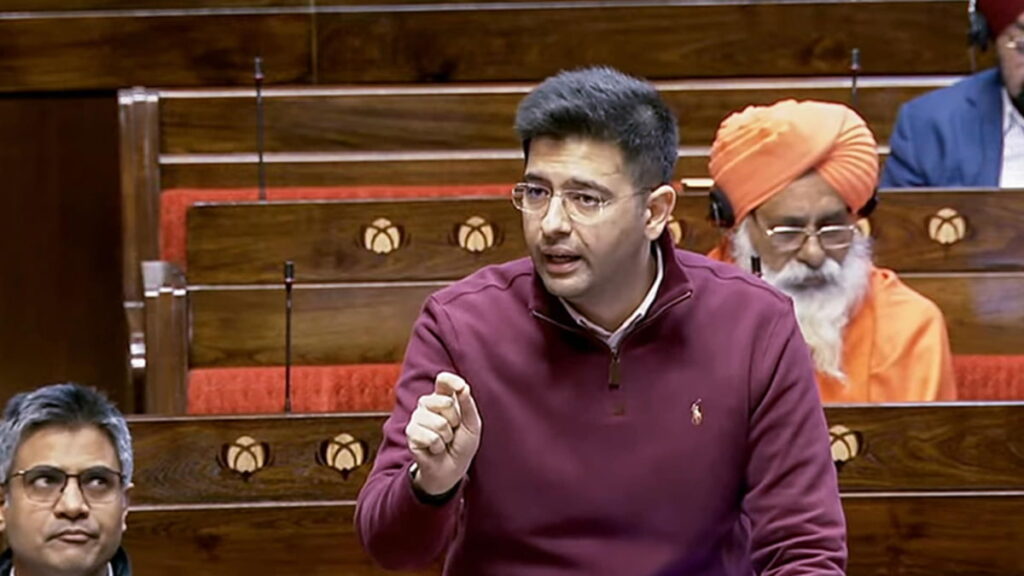
Raghav Chadha Flags Telecom Data Expiry Issue in Parliament
New Delhi, March 23, 2026 — A debate over telecom consumer rights gained momentum Monday after Raghav Chadha raised concerns in Parliament about unused mobile data expiring under daily data plans. Chadha called for sweeping reforms, including data rollover, refunds, and transferability, arguing that current practices unfairly disadvantage consumers.
The focus keyword, telecom data rollover, has become central to the discussion as millions of Indian users rely on prepaid plans offering fixed daily data limits such as 1.5GB, 2GB, or 3GB.
Daily Data Limits Under Scrutiny
Chadha highlighted how telecom companies charge users for a fixed daily data quota that resets every 24 hours. Any unused portion expires at the end of the day without compensation.
“For example, if a user pays for 2GB but consumes only 1.5GB, the remaining 0.5GB simply vanishes,” Chadha said during the session. “There is no refund, no carry-forward, and no accountability.”
He argued that this system effectively forces consumers to pay for services they do not fully utilize, raising questions about fairness and transparency in telecom pricing.
The issue of telecom data rollover has been debated globally, with some markets offering flexible data policies while others maintain strict expiration rules.
Key Demands Presented in Parliament
Chadha outlined three major reforms aimed at improving consumer rights in the telecom sector:
1. Mandatory Data Carry-Forward
He called for all telecom operators to implement telecom data rollover, allowing unused daily data to be added to the next day’s limit instead of expiring.
“This ensures users can access the data they have already paid for,” he said.
2. Adjustment in Monthly Recharge Costs
Chadha proposed that unused data should be factored into future billing cycles. If users consistently underutilize their plans, telecom companies should offer discounts or adjustments in subsequent recharges.
“This is about fairness. Consumers should not repeatedly pay for data they never use,” he added.
3. Data Transfer Between Users
Another key proposal involves allowing users to transfer unused data to friends or family members. Chadha described unused data as a form of “digital property” that should be transferable, similar to money.
This idea aligns with evolving digital ownership concepts and could significantly reshape how telecom data rollover is implemented.
Industry Context and Regulatory Oversight
India’s telecom sector is regulated by the Telecom Regulatory Authority of India (TRAI), which has previously introduced consumer-friendly measures such as tariff transparency and validity extensions.
However, current regulations do not mandate telecom data rollover, leaving operators free to design plans with strict daily limits.
According to reporting by CNN, global telecom markets vary widely in how they handle unused data, with some providers offering rollover features as a competitive advantage. Meanwhile, The New York Times has noted growing consumer demand for more flexible digital service pricing.
Consumer Reactions and Digital Dependence
The issue resonates strongly in a country where mobile data is a primary means of internet access. India remains one of the largest data-consuming markets globally, driven by affordable plans and widespread smartphone usage.
Chadha emphasized that mobile data is no longer a luxury but a necessity.
“Today, mobile data is digital oxygen,” he said. “Consumers deserve full value for what they pay.”
Consumer advocacy groups have echoed similar concerns, arguing that telecom data rollover could improve digital inclusion by maximizing resource utilization.
Potential Impact on Telecom Operators
If implemented, Chadha’s proposals could significantly affect telecom companies’ revenue models. Daily data plans are designed to encourage consistent usage and frequent recharges.
Introducing telecom data rollover, refunds, or transfer options may reduce unused data wastage — a factor that currently benefits operators financially.
Industry experts suggest that any regulatory change would require careful balancing between consumer rights and business sustainability.
What’s Next
The issue is expected to trigger further debate among policymakers and regulators. TRAI may evaluate the feasibility of introducing telecom data rollover if public and political pressure continues to build.
While no immediate changes have been announced, the discussion marks a significant step toward redefining consumer rights in India’s digital economy.
Stay Updated With Digi Hind News
For more breaking updates on telecom policies, digital rights, and consumer issues, stay connected with DigiHindNews.com. Follow us for real-time news, in-depth analysis, and the latest developments that impact your daily digital life.